
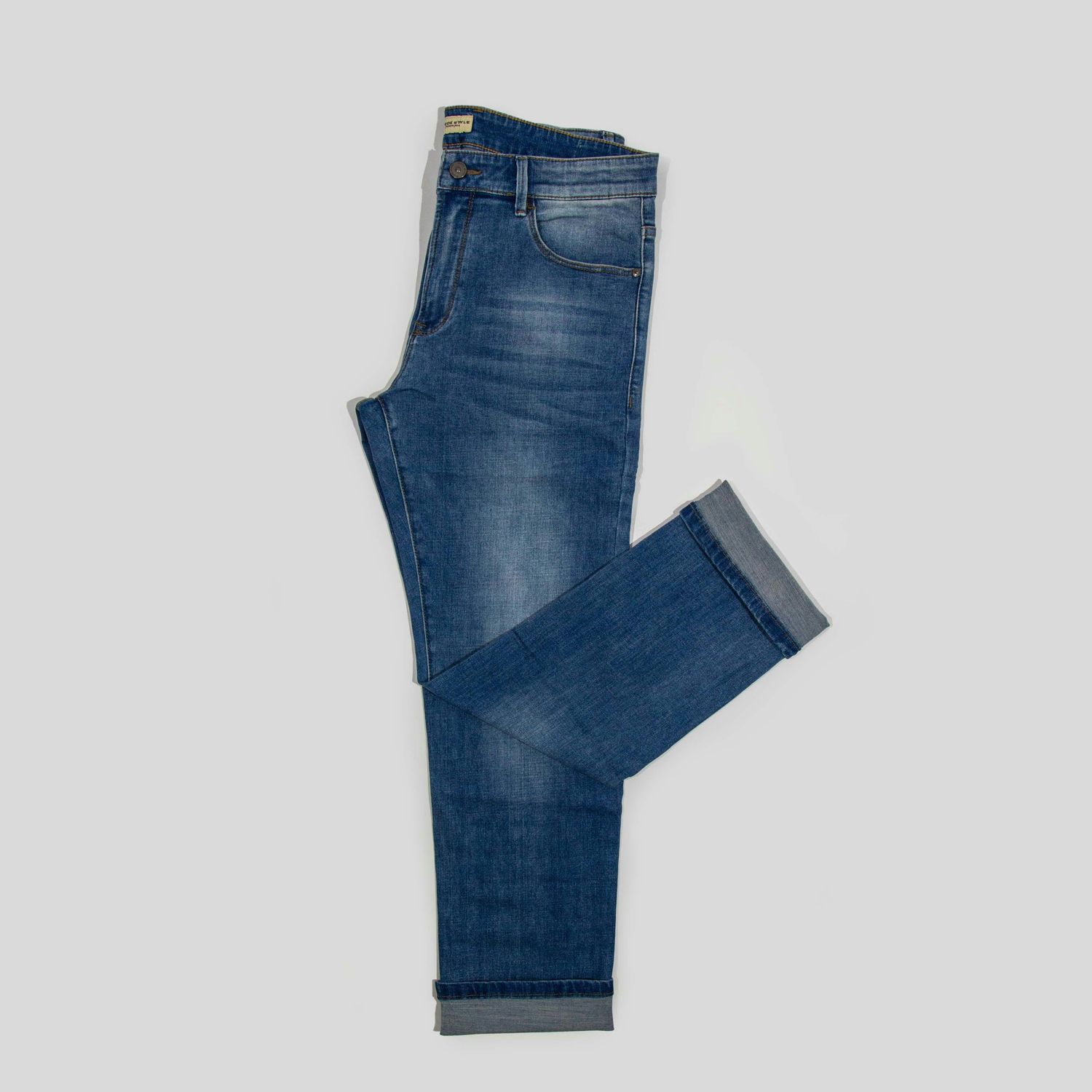
A useful duty estimate starts with the garment and its destination, not a headline tariff percentage. Before confirming an apparel order for the United States, give your customs broker a product description that is detailed enough to support classification and a landed-cost calculation.
Describe the garment before choosing a code
Record fibre composition, knit or woven construction, garment type, intended wearer and any features that affect classification. A cotton knitted T-shirt and a woven synthetic shirt should not be treated as the same customs item. Keep the technical description consistent across the tech pack, costing sheet and commercial invoice.
Ask the importer or its broker to confirm the applicable HTS classification. A sourcing quotation can identify assumptions, but a broad category name alone does not establish a duty rate. Keep the classification decision with the product records so a fabric or construction change triggers another review.
Separate the components of landed cost
A comparison is easier to understand when it shows product price, freight, insurance, duties, fees and inland delivery separately. State the currency, Incoterm, named place, quantity and quotation date. Identify which figures are estimates and which are confirmed charges.
Freight and government measures can change between development and shipment. Recheck assumptions when approving the order and before shipping rather than copying a previous season's calculation. Do not assume preferential treatment without checking the actual product, origin and current rules.
Questions to resolve before purchase-order approval
- Who is the importer of record and who appoints the customs broker?
- Which classification and origin assumptions support the estimate?
- Does the quotation include destination charges and inland delivery?
- Which documents will the supplier provide, and when?
- What changes require a revised costing?
Keep an approved costing version with the purchase order. If two suppliers quote on different delivery terms, bring them onto the same basis before deciding which offer is cheaper.
Prepare a clearer sourcing enquiry
Send the style description, composition, quantity, destination and intended delivery terms. Our shipping and logistics service can coordinate the programme's shipping information, while the importer and its appointed advisers confirm import requirements. Request a sourcing quote with the product facts and the assumptions you want shown separately.
Sources and further reading
Use the US International Trade Commission's current tariff schedule and US Customs and Border Protection's importing guidance for current official information. Review the relevant version for the shipment date; this guide does not quote a universal apparel duty rate.